Introduction
The United Arab Emirates isn’t just a global business hub, it’s a bridge that connects the East and West through the ocean. Every day, thousands of containers leave its ports, loaded with everything from cars and clothes to machinery and electronics, heading to destinations across continents.
But have you ever wondered how those goods actually travel from the UAE to the rest of the world? Or what happens between the moment a shipment leaves a warehouse in Dubai and arrives at a buyer’s doorstep in London, Mumbai, or Nairobi?
In today’s interconnected world, understanding sea cargo shipping from the UAE is more important than ever. Whether you’re a business owner planning to expand globally or simply curious about international logistics, knowing how sea freight works can help you make smarter, faster, and more cost-efficient trade decisions.
This guide breaks down the entire sea cargo process from booking to delivery in simple, clear steps. You’ll learn about the types of sea freight services available, how long shipments take, and why the UAE remains one of the world’s most trusted shipping gateways.
What You’ll Learn
- Why sea cargo matters in global trade
- How sea freight shipping works from the UAE
- The step-by-step process of sea cargo movement
- Different types of sea freight services
- Key cost factors to consider
- Top UAE ports and global shipping routes
- Documents required for international sea freight
- Why many businesses still prefer sea over air shipping
- FAQs and practical next steps
Why Sea Cargo Matters in Global Trade
Sea cargo remains the backbone of international trade, and the UAE plays a major role in it. Thanks to its world-class ports, advanced logistics systems, and strategic geographic position, the country connects major markets across continents.
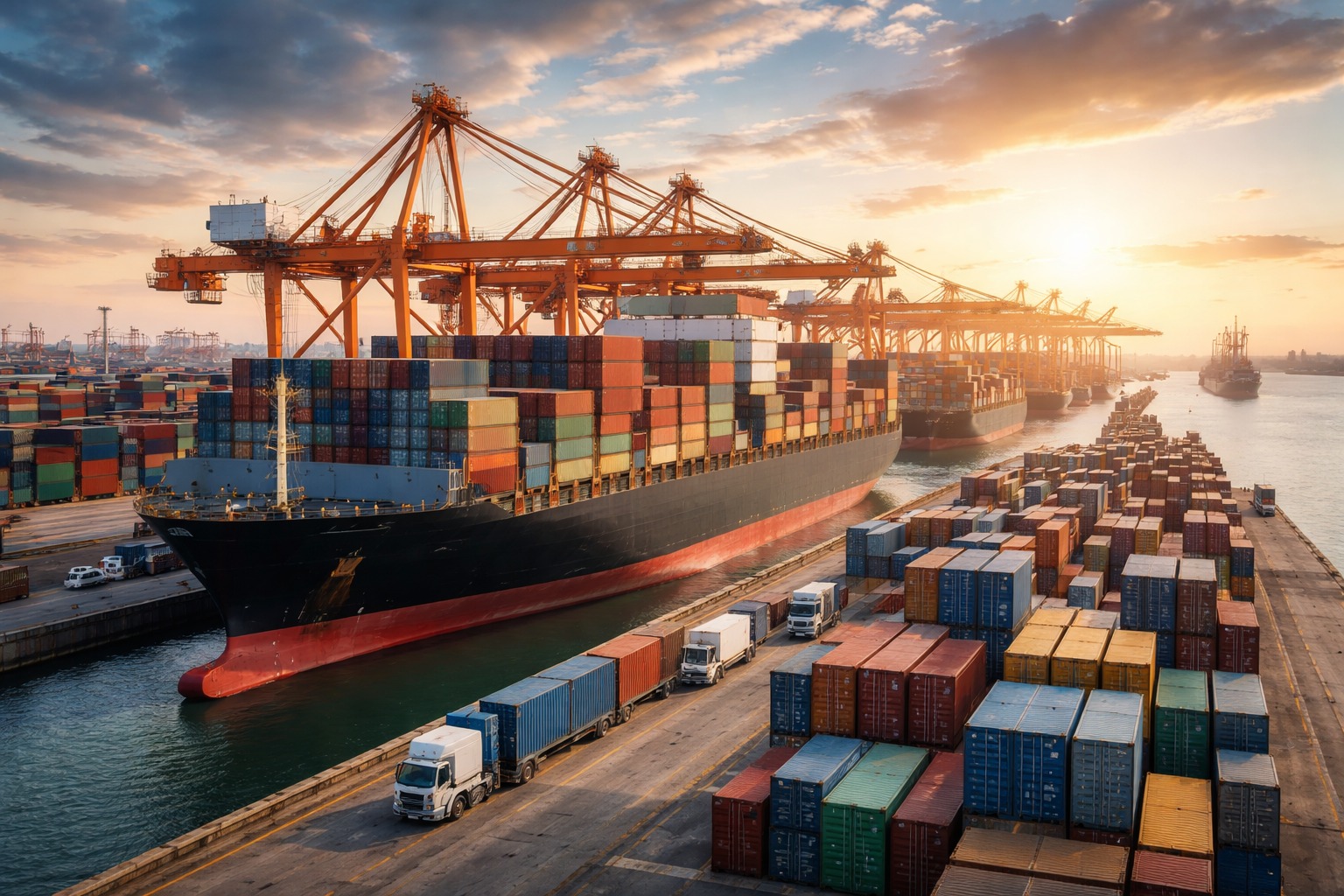
Sea cargo is the lifeline of international commerce. Over 80% of global trade by volume moves through oceans, and the UAE plays a pivotal role in this system. Its ports, especially Jebel Ali Port in Dubai and Khalifa Port in Abu Dhabi, rank among the busiest and most advanced globally.
Every year, millions of containers pass through UAE ports like Jebel Ali and Khalifa Port, moving goods worth billions of dollars. This system doesn’t just support big corporations, it also helps small and medium businesses expand globally without breaking the bank.
The greatest advantage of sea freight lies in its affordability and scalability. While air cargo offers speed, sea shipping offers a far lower cost per unit, making it the go-to option for heavy, bulky, or non-urgent shipments. In short, it’s a smart, sustainable, and cost-efficient way to move goods worldwide.
In a time where efficiency and affordability drive global business, sea shipping from the UAE offers the perfect balance of reliability, reach, and value.
How Sea Cargo Shipping Works from the UAE
Shipping cargo by sea might sound complex, but the process is smooth and organized when handled correctly. It begins when a company or individual books space on a vessel through a freight forwarder or shipping line.
The UAE’s logistics system runs like clockwork. With world-class ports, smart customs systems, and advanced cargo management, the entire process is designed to make global trade fast and reliable. The UAE’s ports, especially Jebel Ali in Dubai and Khalifa Port in Abu Dhabi are equipped with some of the most advanced logistics technologies in the world. Once the cargo is packed and documentation is complete, the goods are moved to the port, loaded onto the vessel, and set sail toward their destination.
When you ship cargo by sea from the UAE, several key players are involved like freight forwarders, customs brokers, port authorities, and shipping lines. all working together to ensure your shipment moves smoothly.
It begins with booking space on a vessel, followed by preparing documentation, clearing customs, and then loading containers onto massive cargo ships that sail across the globe. Once the goods reach their destination, they go through customs clearance again before being delivered to the receiver.
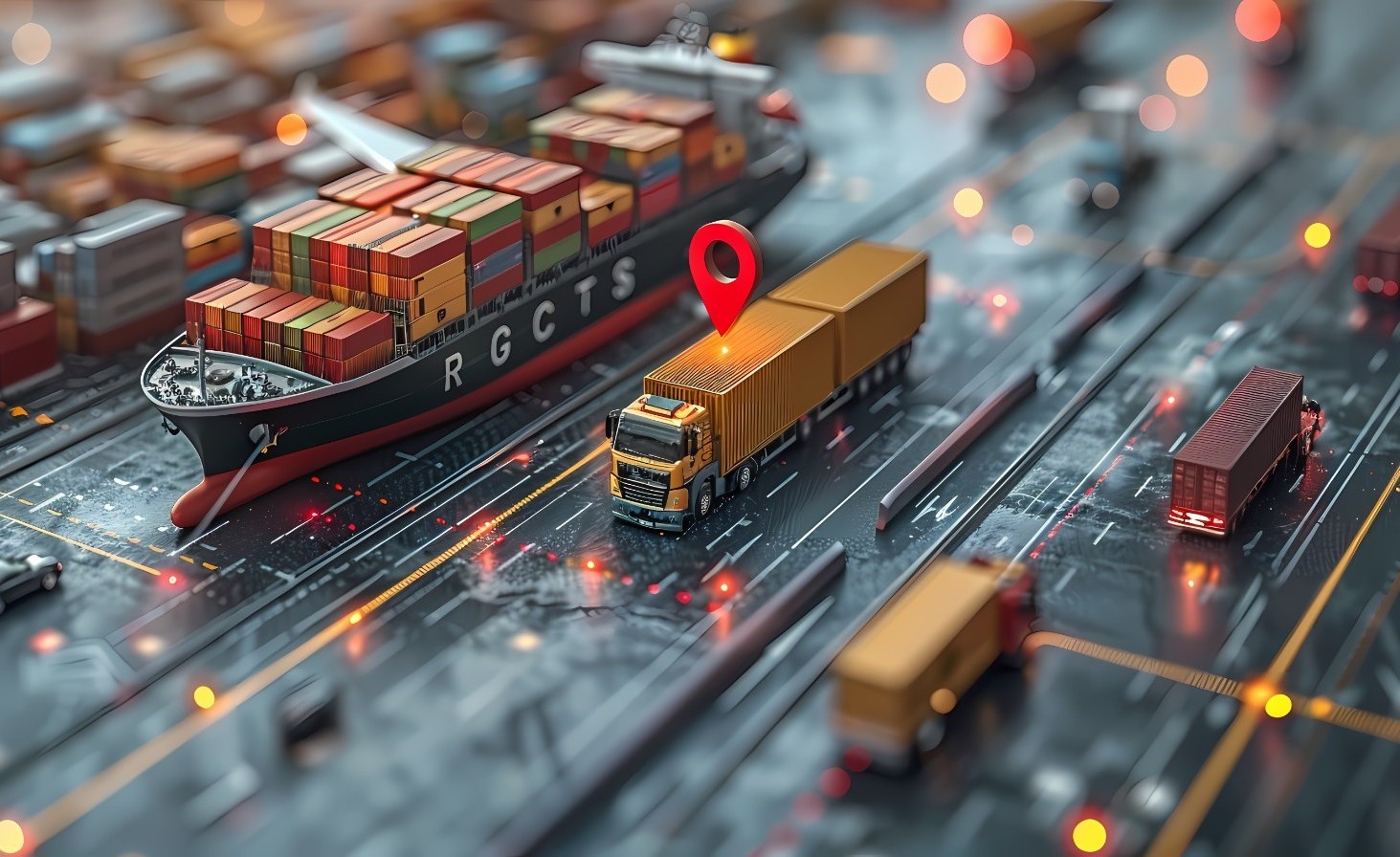
Modern systems now allow real-time tracking, online documentation, and digital customs processing, making global shipping from the UAE faster, more transparent, and more reliable than ever.
Step-by-Step: The Sea Freight Process
To better understand how goods travel across oceans, here’s what typically happens during a sea freight shipment from Dubai
1. Booking and Planning
Everything begins with booking your shipment. The exporter or business owner connects with a freight forwarder or shipping line to reserve space on a vessel. This step includes selecting the right service (FCL, LCL, or RORO), confirming the destination, and setting the shipping schedule. Proper planning ensures that goods arrive on time and within budget.
2. Cargo Preparation and Packaging
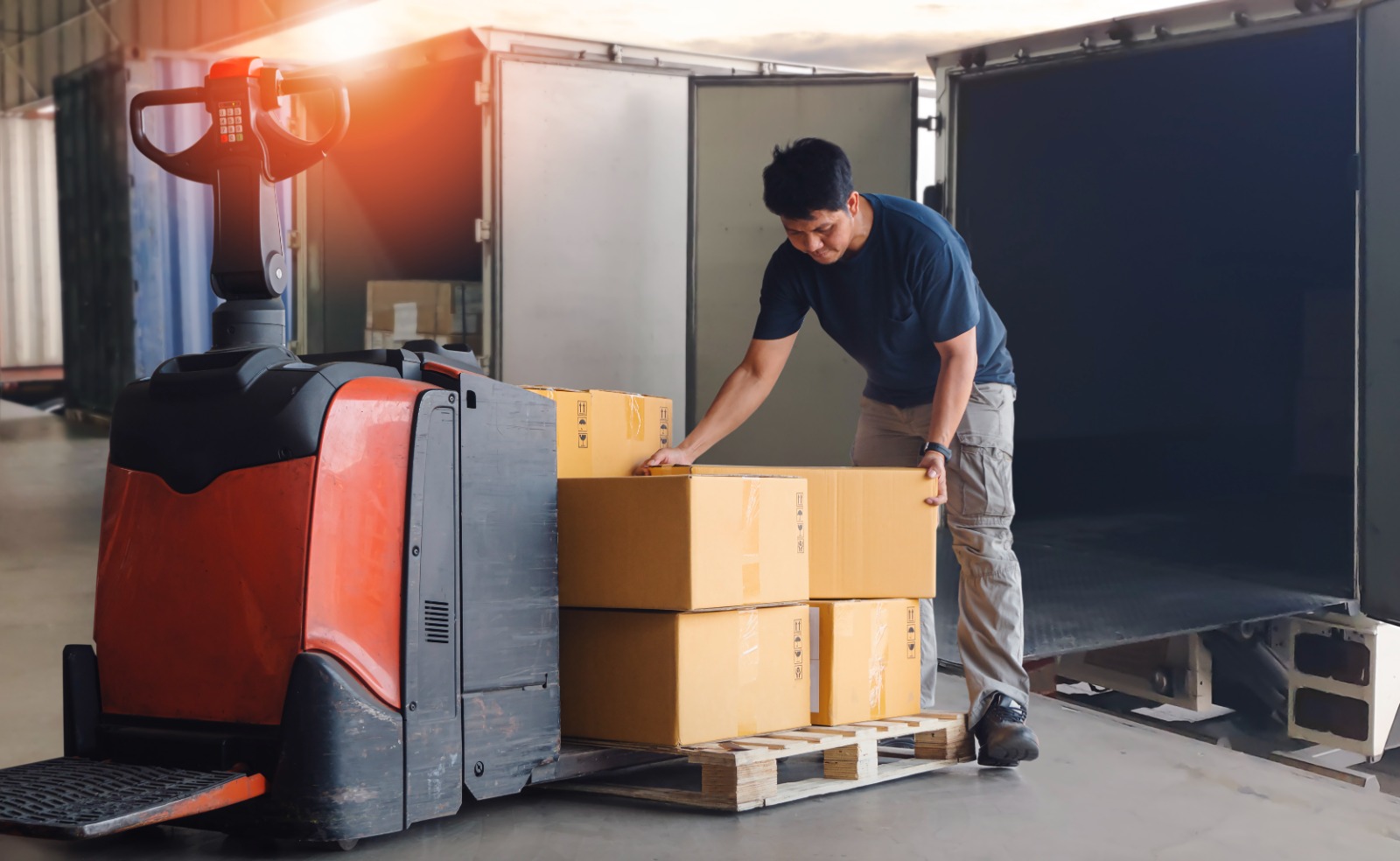
Once the booking is confirmed, the goods are prepared for shipping. Proper packaging is crucial, it protects the products during long transit and ensures they meet international safety standards. Cargo is often loaded into containers (20ft or 40ft), secured with straps or pallets, and labeled with tracking information.
3. Documentation and Customs Approval
Before leaving the UAE, shipments must go through customs clearance. Exporters prepare all necessary paperwork, including the Bill of Lading, Commercial Invoice, and Certificate of Origin. This ensures that the cargo complies with both UAE and international regulations.
4. Transport to Port
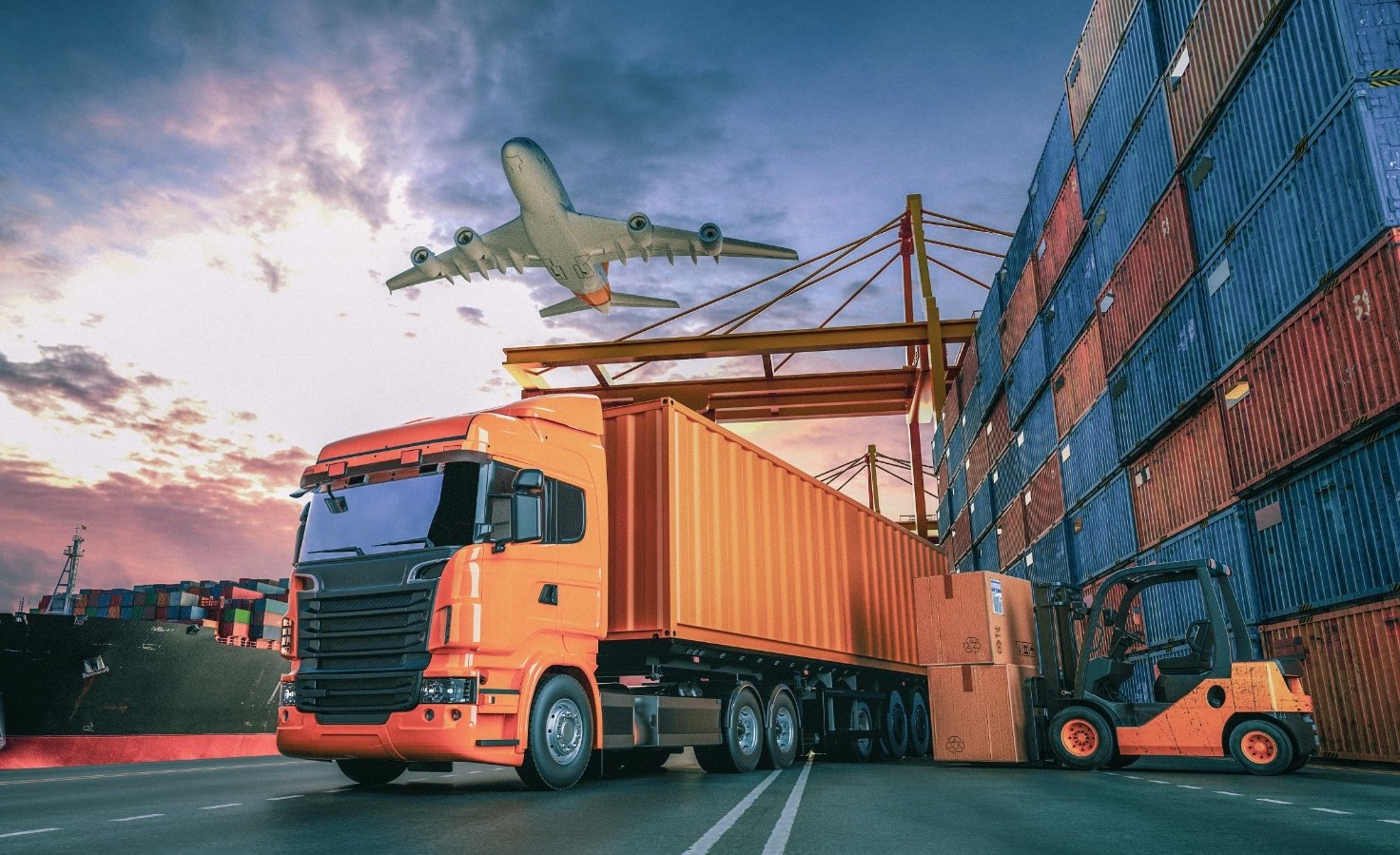
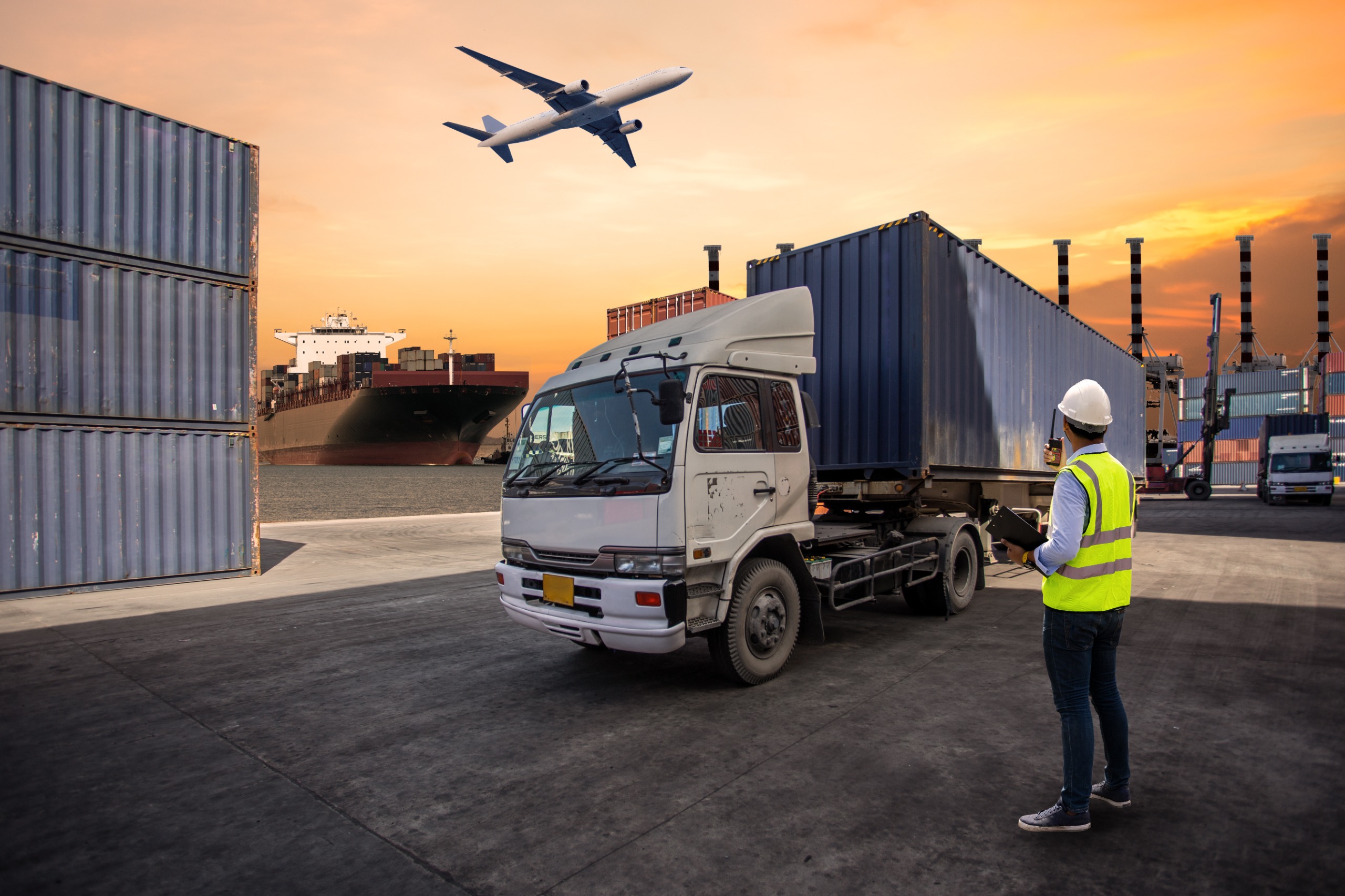
The packed cargo is then moved from the warehouse to the port using trucks or, in some cases, rail. Efficient transportation ensures the shipment arrives at the port on schedule for vessel loading.
5. Port Handling and Container Loading
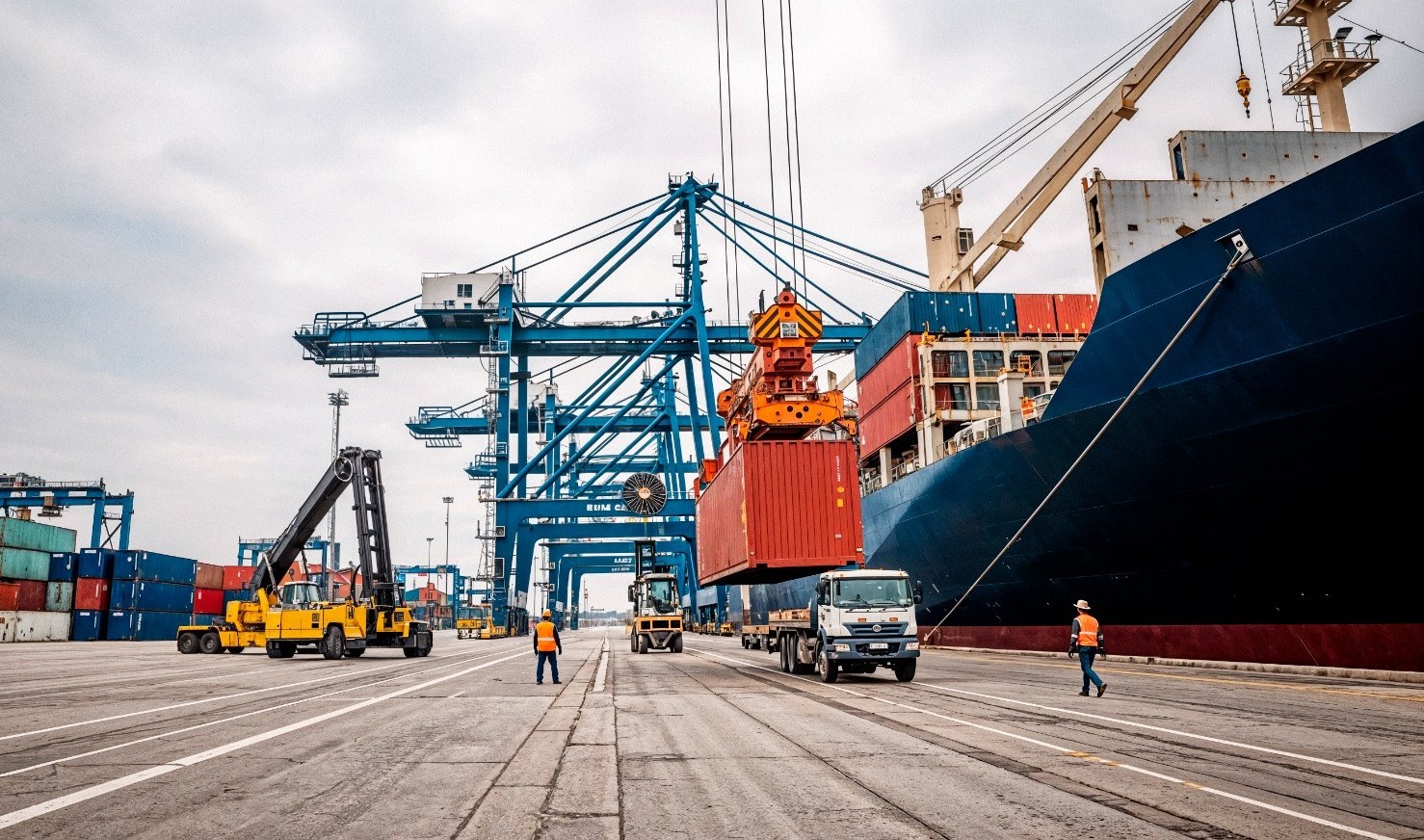
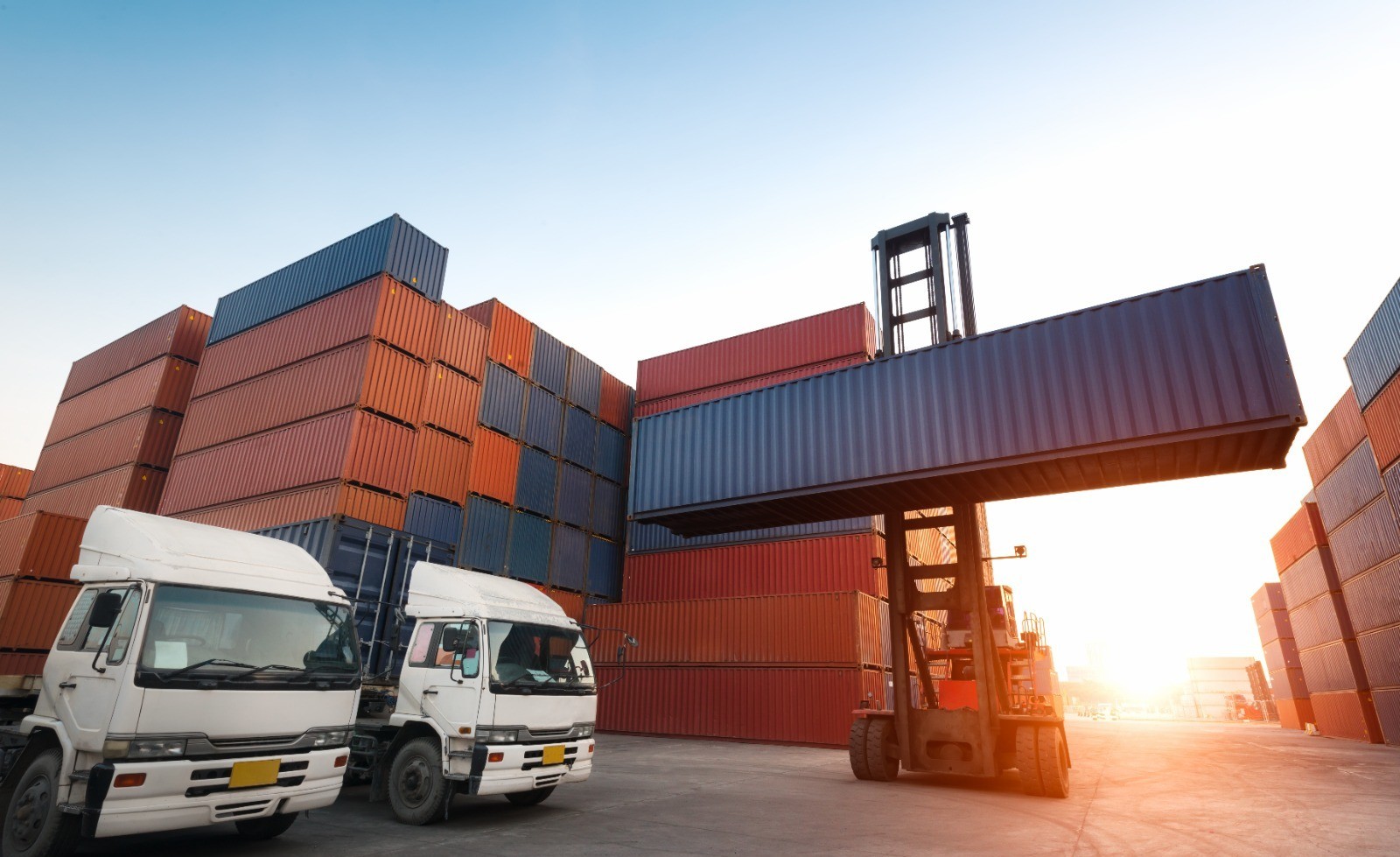
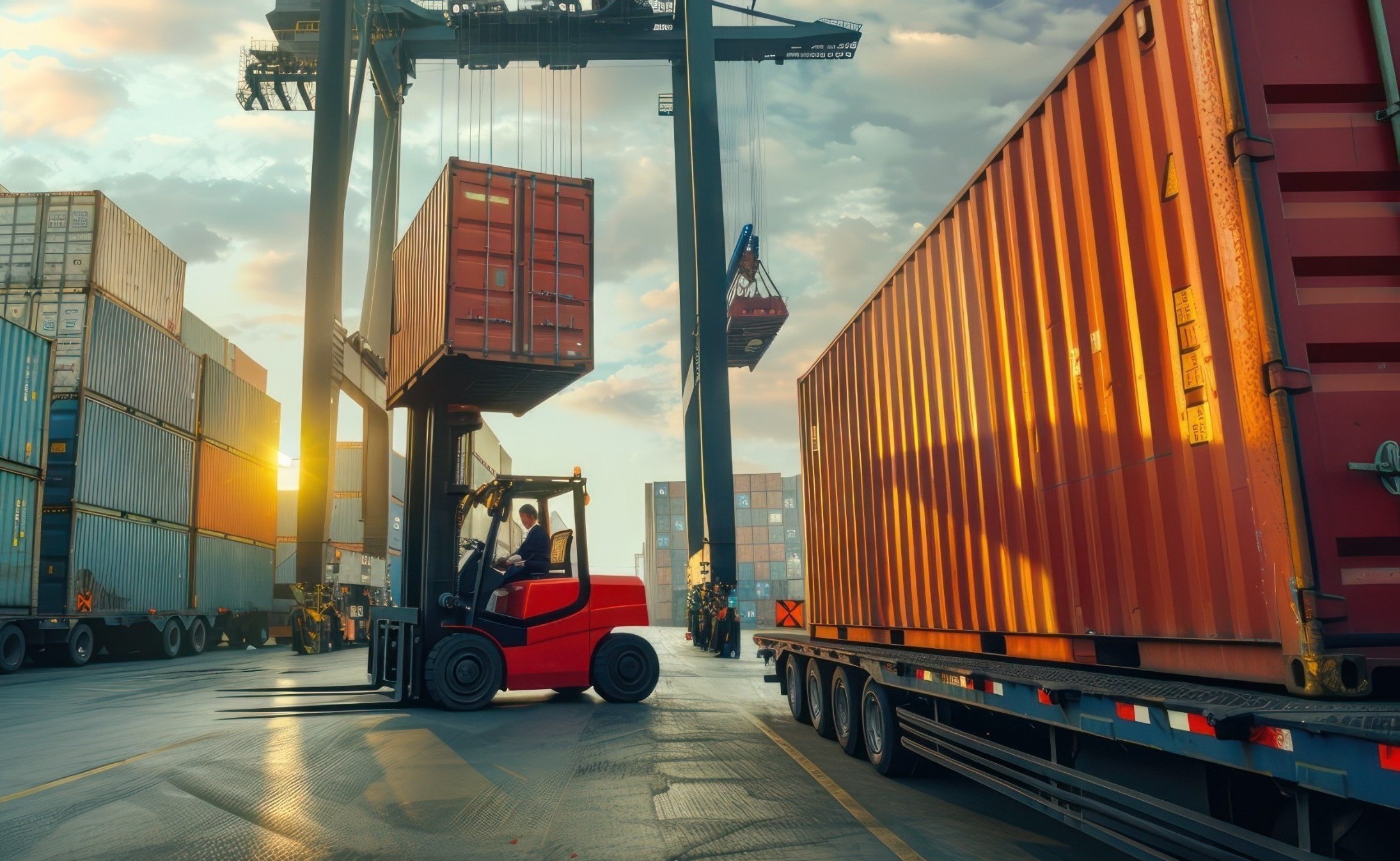
Once at the port, containers are inspected, weighed, and loaded onto the assigned vessel using high capacity cranes. The containers are stacked strategically based on their destination to ensure easy unloading later.
6. Sea Transit (Journey at Sea)
The vessel begins its journey, traveling through international waters. Depending on the destination, the transit can last from a few days to several weeks. Modern vessels provide real-time GPS tracking, allowing exporters to monitor the exact location of their shipment.
7. Arrival and Unloading at Destination Port
When the ship reaches the destination port, containers are unloaded and stored in customs zones until cleared. This is when local agents or importers take over the documentation process to release the goods.
8. Final Delivery to Receiver
After customs clearance at the destination, the goods are delivered to the final buyer or warehouse. The process may involve local transport arrangements handled by a freight forwarder.
This end to end system ensures that goods shipped from the UAE reach global destinations safely, efficiently, and transparently.
This structured process ensures that even the largest global shipments move smoothly and securely, minimizing the risk of delays.
Types of Sea Cargo Services
The UAE offers a wide range of sea freight services designed to suit different shipping needs, budgets, and timelines. Choosing the right type of service can make a big difference in cost and delivery time.
1. Full Container Load (FCL)
FCL means you rent an entire container for your goods. This option is ideal for large shipments or when you want exclusive use of the container to ensure maximum safety and speed.
Businesses prefer FCL when shipping machinery, vehicles, construction materials, or full product inventories. It’s slightly costlier upfront but provides better control and protection during transport.
Benefits:
- Faster transit as there’s no need to consolidate with other shipments
- Less handling, reducing damage risk
- Predictable costs for large volumes
2. Less than Container Load (LCL)
For smaller shipments that don’t require a full container, LCL is a more economical choice. Your goods share container space with cargo from other shippers.
It’s perfect for small and medium businesses or startups looking to export without committing to full container costs.
Benefits:
- Lower shipping cost for smaller volumes
- Flexible scheduling and frequent departures
- Ideal for testing new export markets
Visual Suggestion:
Table comparing FCL vs LCL:
|
Feature |
FCL |
LCL |
|
Ideal For |
Large shipments |
Small to medium shipments |
|
Cost |
Higher overall, lower per unit |
Lower overall, higher per unit |
|
Speed |
Faster |
Slightly slower |
|
Security |
Higher (exclusive container) |
Moderate (shared space) |
3. Roll-On/Roll-Off (RORO)
RORO shipping is designed for vehicles and heavy machinery that can be driven directly onto the vessel. It’s commonly used for cars, trucks, buses, and large industrial equipment.
RORO ships have built-in ramps, making loading and unloading easy, safe, and quick. It’s also cost-effective compared to containerized vehicle shipping.
4. Breakbulk Cargo
When goods are too large, heavy, or oddly shaped to fit inside standard containers, they are shipped as breakbulk cargo. This includes items like turbines, yachts, industrial parts, or construction machinery.
Such cargo is carefully secured on the ship’s deck or in the hold and requires specialized equipment for handling.
5. Reefer Containers (Temperature-Controlled Cargo)
An often overlooked but vital service is reefer shipping, used for temperature-sensitive products like food, pharmaceuticals, and flowers. These containers are equipped with refrigeration systems that keep goods fresh throughout their journey.
Cost Factors in Sea Freight
Sea freight is often far cheaper than air shipping, but prices can still vary based on several factors. Understanding them helps you plan budgets and avoid hidden costs.
Key factors include:
- Cargo weight and volume: Heavier or bulkier shipments cost more.
- Distance between ports: Longer routes mean higher fuel and handling costs.
- Type of container and service: FCL costs more than LCL but may save money per unit for larger loads.
- Port fees and customs charges: Each port has its own tariffs and taxes.
- Seasonal demand and fuel prices: Rates fluctuate depending on global trade activity.
By planning ahead and comparing quotes from multiple freight forwarders, businesses can optimize shipping costs and improve profitability.
Top UAE Ports and Global Routes
The UAE’s ports are among the most advanced and busiest in the world. Their strategic locations make them natural gateways for global commerce.
Jebel Ali Port (Dubai) is the largest man-made harbor in the world and ranks among the top 10 busiest ports globally.
Khalifa Port (Abu Dhabi) is highly automated and serves as a vital hub for regional and international trade.
Port Rashid (Dubai) handles smaller cargo and cruise operations, while Sharjah’s Khor Fakkan Port connects efficiently to regional markets.
From these ports, goods are shipped to key destinations including India, China, Africa, Europe, and the United States, supporting one of the most dynamic trade networks on Earth.
Documents Required for Sea Cargo
International shipping requires accurate documentation to prevent delays. The most common sea freight documents include:
- Bill of Lading (B/L) – The main shipping document and proof of contract.
- Commercial Invoice – Details of goods sold and their value.
- Packing List – Describes the contents, packaging, and dimensions.
- Certificate of Origin – Confirms where the goods were manufactured.
- Insurance Certificate – Covers potential loss or damage.
- Customs Declaration – Filed to comply with UAE and destination country regulations.
Having the right paperwork ensures your goods move seamlessly through customs at both ends.
Why Businesses Prefer Sea Cargo over Air
While air freight offers speed, most companies still prefer sea cargo for international trade and for good reason.
Sea freight provides greater capacity for large, heavy, or bulk shipments at a fraction of the cost. It’s also more eco-friendly, producing fewer carbon emissions compared to air transport. Regular shipping schedules make it ideal for consistent supply chains, while containerization ensures secure and damage-free delivery.
For industries like manufacturing, retail, automotive, and construction, sea cargo remains the most practical and sustainable shipping method.
Ship Smarter from the UAE. Start with Expert Guidance
Shipping your goods across borders doesn’t have to be stressful or confusing. Whether you’re exporting your first container or managing regular global shipments, the right sea cargo partner can make all the difference.
Our team of logistics specialists helps businesses of all sizes plan, pack, and ship cargo efficiently saving you time, cost, and unnecessary paperwork delays. From FCL and LCL to RORO and breakbulk cargo, we’ll help you choose the best option for your shipment and budget.
Book a Free Consultation with Our Sea Cargo Experts and discover how you can streamline your global shipping process from the UAE faster, safer, and more affordably.
Summary
Sea cargo is the engine that drives global trade, and the UAE stands proudly at its center. With cutting edge ports, advanced logistics, and flexible service options, it offers businesses a powerful way to ship goods across continents efficiently and affordably.
Whether you’re sending a few pallets or hundreds of containers, understanding how sea freight works gives you a clear edge, helping you ship smarter, save costs, and expand confidently into global markets.
Start your sea cargo journey today and make international shipping a seamless part of your business growth story.
FAQs
1. How long does sea cargo shipping take from the UAE?
Transit time varies depending on the destination. Regional routes like India or the Middle East take about 5 to 10 days, while Europe, the US, or Africa may take 20 to 40 days.
2. What’s the minimum shipment size for sea freight?
Even small shipments can go by sea using LCL (Less than Container Load), where your goods share space with others in one container.
3. Can I track my sea cargo shipment?
Yes. GSC Cargo offers real-time cargo tracking, allowing you to monitor your shipment’s status online throughout its journey.
4. What’s the difference between FCL and LCL?
FCL means booking an entire container, which is faster and more secure for large volumes. LCL is shared space, ideal for smaller loads that don’t fill a full container.
5. Should I get insurance for my sea cargo?
Definitely. Shipping insurance protects your goods against loss, damage, or delays during transit and it’s a small investment compared to potential risks.